
Texas Address History by Era
Previous residents leave different traces by era. Start with the appraisal district parcel: situs is the appraised location, while the legal description identifies the land by lot, block, subdivision, survey, abstract, or metes and bounds. The county clerk's deed books establish transfers; the Texas State Library and Archives Commission (TSLAC) helps route older county material. Because counties formed at different times, identify the physical county and any predecessor county before setting a search window.
| Texas source | Era or date span | Where held | What it can show |
|---|---|---|---|
| Appraisal district parcel | Current roll; historical depth varies | County appraisal district | Owner, situs, mailing address, parcel ID, legal description, tax years |
| County clerk deed index | County start and coverage vary; no statewide start year | Clerk portal, terminal, deed books, or microfilm | Transfers, parties, dates, instrument references, land description |
| City directories | Late 19th century onward in some places; local and Briscoe runs have gaps | TSLAC, UT Briscoe Center, libraries, digitized items | People and businesses listed at an address in an edition |
| Federal census | Public through 1950 under the 72-year release rule | National Archives and libraries | Household members and ages on enumeration date |
| Permits and address files | City systems and digitization years vary | Municipality, map, counter, or existing-record request | Dated building or address context, not a full occupant list |
| County microfilm | County and series coverage vary; not all records were filmed | TSLAC depositories, TSLAC, TDA, FamilySearch | Older deed, probate, tax, voter, and court books where available |
Follow the parcel description into deed records for owners; pair directories with census years for household clues. Older searches may require a predecessor county's books. For county routing, use the Comptroller's county directory; a postal city alone may point to the wrong county.
Tracing Texas Address Deeds Backward
Start with the current owner, situs, account number, and legal description on the appraisal parcel. Keep the mailing address separate: it tells where a tax notice goes, not who lives there. A deed chain is the ordered set of recorded transfers in the county clerk's index. Texas has no statewide recorder portal or uniform index start year, and county search menus differ.
Choose the county where the land sits, not its postal city. Search the owner as grantee and match the deed's legal description to the parcel. If the index lacks an address field, parties and land description bridge the tax roll to older books. A certified copy is verified by the record custodian.
- Save the parcel ID, situs, owner, mailing address, and full legal description.
- Check the clerk's index fields, online years, and whether it supports parties, dates, book/page, instrument number, or address.
- Find the purchase deed as grantee; record both parties, date, number, description, and image status.
- Search the seller as an earlier grantee using the same land description. Check for plats, probate transfers, corrections, partitions, or foreclosure between sales.
- If online coverage ends, use the terminal, deed books, microfilm, the TSLAC county-record guide, or FamilySearch; ask the county clerk for a certified copy.
- Grantor / grantee
- The person or entity giving an interest in a deed, and the person or entity receiving it.
- Chain of title
- The ordered set of recorded transfers linking one owner to earlier owners.
- Legal description
- The land's lot, block, subdivision, survey, abstract, or metes-and-bounds text. It identifies the parcel more reliably than a changed street number.
- Situs / mailing address
- Situs is the appraised physical location; mailing is where a tax bill is sent. They can be different.
- Certified copy
- A copy verified by the record custodian as matching the document on file.
An index points to a deed; its image supplies the legal text. Older books may use volume/page and newer portals an instrument number. If years are unstated, ask the records division about coverage, terminal hours, and copy rules. A written Texas Public Information Act request can seek an existing non-court record, but cannot require a custom title report. Estate or partition court files follow separate judicial-record rules. A missing result may reflect spelling, index, image, or coverage gaps.
Texas Past Households in Directories
Deeds identify owners; a Texas city directory may list residents, spouses, telephone numbers, or addresses for one edition. The federal census records household members and ages at a decennial point. Compare dated snapshots without treating the deed owner as a whole household.
Use the directory collection's city, edition year, publisher, and address section together. The Texas city directories page describes how to check a collection's coverage, read a printed entry, and use its reverse section.
- Copy the printed address, name, and edition year from the name or criss-cross section.
- Pair a late-1930s directory with 1940 census, or late-1940s directory with 1950, if the town's volume survives.
- Note that census enumeration and directory publication dates differ.
- Compare nearby directory years, then test moves or family links against dated obituaries, cemetery, or probate records.
No directory listing does not mean a house was empty: the person may be omitted, use another name, fall outside coverage, or belong to a missing year. Census records anchor one date; surviving directories may fill nearby years.
Lawful use. Keep address research to house history, family history, and other lawful personal purposes. Do not use a record to harass, threaten, or track a living person.
Texas Legal Descriptions Preserve Address Identity
Keep the deed's legal description intact when a street name or number changes. Texas instruments may use subdivision, lot/block, survey/abstract, or metes and bounds. A plat shows how land was divided; a replat may alter lots or roads.
A Texas address may have a highway number, local street name, and postal city. Local 9-1-1 or city/county authorities maintain address points; the statewide Texas Geographic Information Office layer aggregates local sources but does not prove title. Compare road or 9-1-1 files, street ordinances, annexation history, and plats to bridge changes.
Postal city and ZIP are delivery labels, not legal boundaries. Older directories may use a rural route or nearby town. In North Texas, compare subdivision and annexation records; in South Texas and border areas, test double surnames, maiden names, and Spanish spelling variants. Record each address form with its year.
Note: A street address is a useful search key, but the legal description is the stronger link between older deeds and a current parcel.
Texas Previous Residents: Guide Gaps
Texas has no statewide house-history guide for every county and address. The TSLAC reference gateway points to genealogy and property-history resources; local books still require county- and period-specific checks.
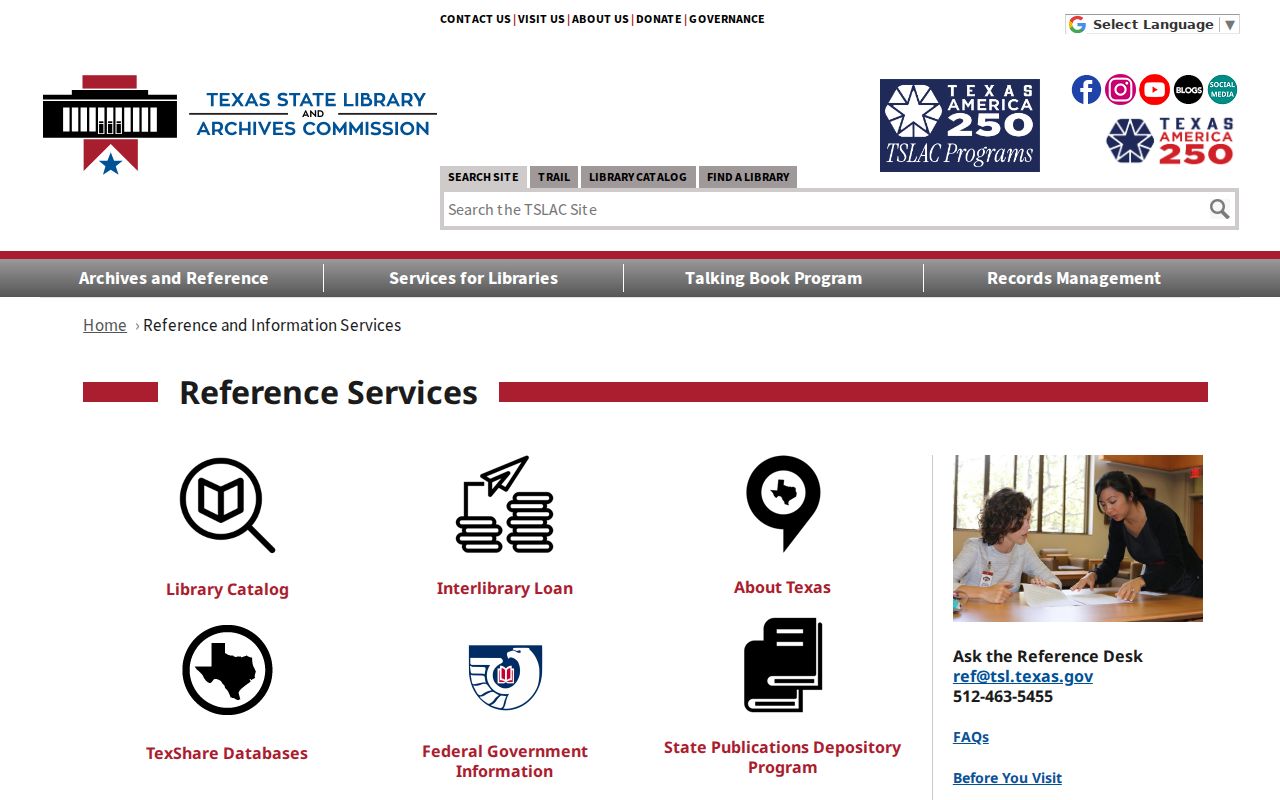
Use state references to locate a starting collection, then ask a local library or archive whether it has a house file or street guide.
Without a guide, ask about the plat, deed references, directory years, newspaper notices, and local maps. Collections and research services vary; confirm that an item covers the address and period.
Texas Address Record Microfilm Fallbacks
Older Texas deed and probate books may be paper, microfilm, or restricted digital images. The Regional Historical Resource Depositories network places reels in 23 repositories, but not every county or series was filmed. A predecessor county may hold a book for land now in a newer county.
Check TSLAC's local-record guide for the county, series, reel number, date span, and repository. A library can place an interlibrary-loan request; TSLAC's general ILL loan is usually 14 days, with a possible extension. FamilySearch images may be limited to an affiliate location, and faint film should be compared with the original record when possible.
A deed book, reel, restricted image, and index may all refer to one instrument. Request legally certified copies from the current county or district clerk; TSLAC and depositories do not replace the custodian.
Texas County Address History Contacts
A county historical commission may locate courthouse files, cemetery or historic-house surveys, oral histories, local publications, or a library referral. The Texas Historical Commission outreach page routes researchers to local commissions.
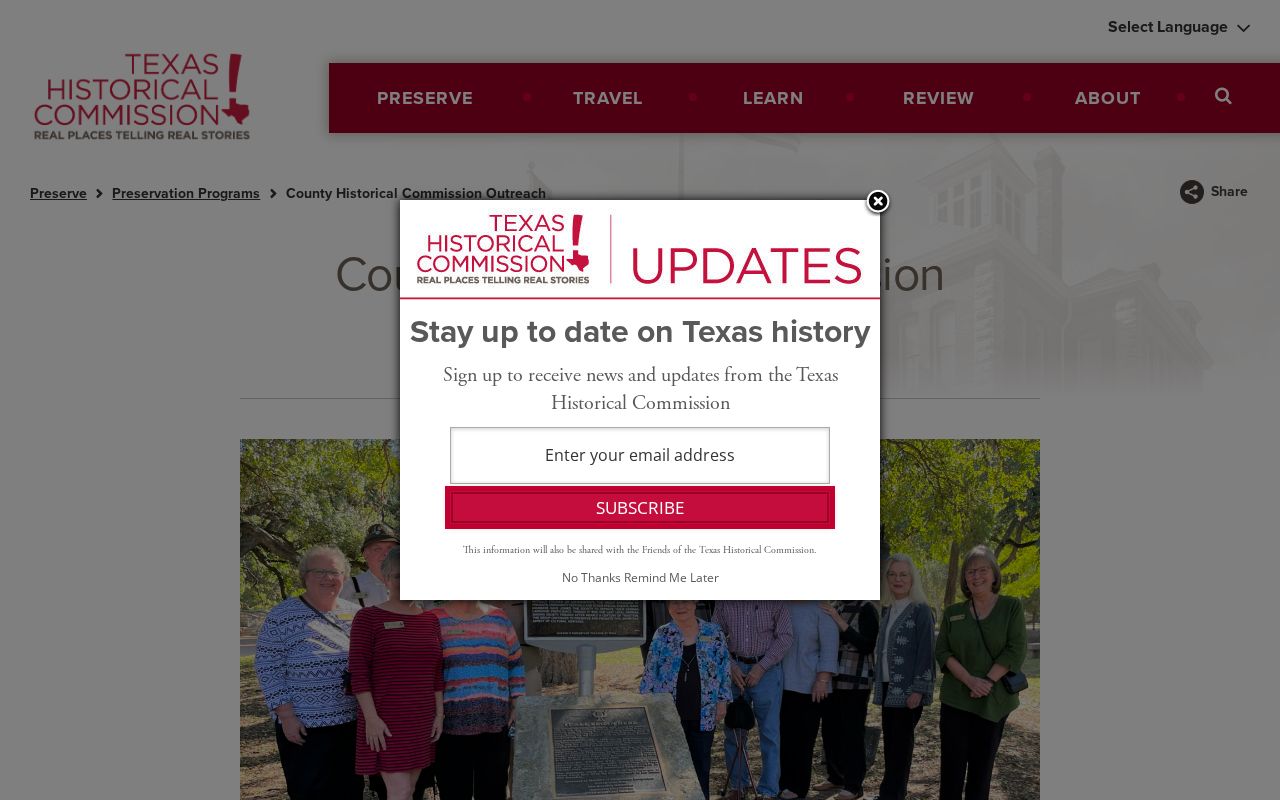
The commission chair is a first contact for county history and historic sites, not a promise that the county has a house file or public membership list.
Rosters change; for a missing county, the Commission directs researchers to the county judge's office. Ask about a specific address and period instead of assuming one statewide archive holds a house file.
Texas Past Residents: Obituaries and Probate
Obituaries, cemetery records, and probate can extend a house history when a former resident dies or an estate transfer appears in the deed chain. A Texas notice may name relatives, service location, or a prior community, but it is not certified proof of residence.
Probate files may contain wills, heirship, guardianship, inventories, or distributions. Search the decedent and county, then compare the estate record with the parcel description and deed date; an inheritance may explain a name change without a sale.
Newspaper and cemetery indexes vary by library and archive. Search exact names, maiden names, and spelling variants; record the date and source. A later directory or deed may show what happened to the address after the household left.
Note: Use an obituary to locate a dated family lead, then verify property transfers in the county record that holds the instrument.
Texas Occupancy Records Have Limits
A deed names transfer parties, not every occupant. Appraisal rolls identify owners and distinguish situs from mailing address. A homestead exemption may support owner-occupancy, but it does not list a household. Directories, census, and local files each reflect a particular date and coverage.
Some Texas records are redacted: protected voters' addresses may be suppressed, and utility data is not a public household list. Address points support local 9-1-1 and planning, not proof of title. Keep ownership, mailing, and occupancy evidence separate, with source dates and open gaps.